The no-show problem, and what the data says about fixing it
Free events lose more than a quarter of their registrants on the night, and the teams that fix it change who registers first, then use reminders and AI to catch the rest.
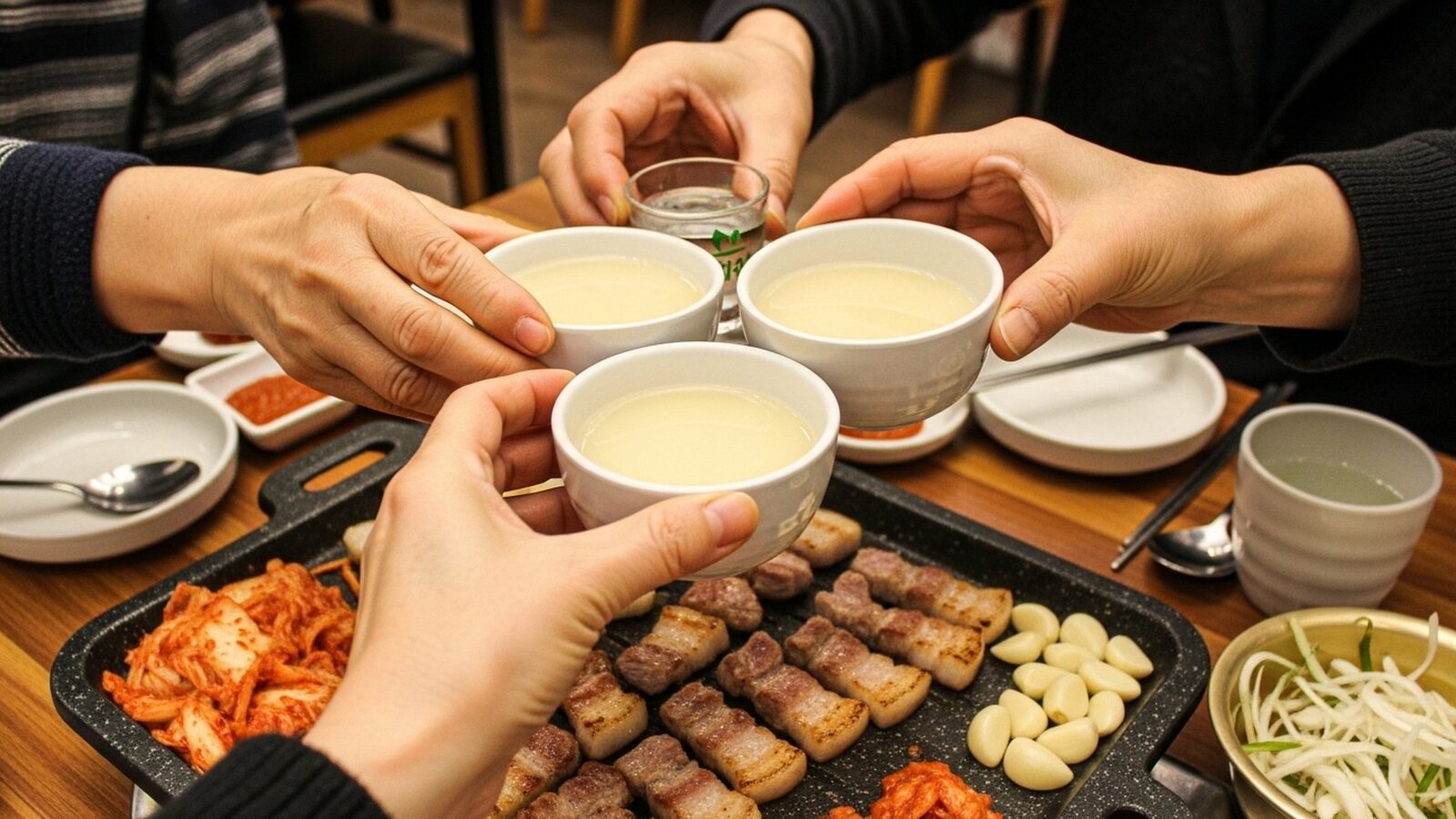
Basecamp ran the same breakfast twice. The free version of "Breakfast with Basecamp" drew 84 registrations and 38 attendees, a show rate of about 45%. The second version asked for a refundable $100 deposit. Registrations fell to 55, and 50 people came, a 90% show rate (Skift Meetings, 2026).
Fewer people signed up. More people walked through the door. Anyone who has stood beside a half-empty dinner table, quietly doing the per-head math on a fixed menu, will find that result both obvious and a little painful.
How big the problem is
The broadest benchmark comes from PheedLoop, an event platform vendor, which analyzed more than 860 events. The median no-show rate for free events was about 28%, against about 17% for paid events, with an overall median of roughly 20% (PheedLoop, 2026). Registrations with zero ticket purchases had a median no-show rate near 34% (PheedLoop, 2026).
Format matters even more than price. Clutch Events, a vendor that runs executive events, tracked 191 events and 13,155 registrations. It found attendance rates of 70% for executive dinners, 61% for private roundtables, 52% for networking dinners, 38% for practitioner-led conferences and 19% for vendor-owned conferences (Clutch Events, 2026). Even high performers on Bizzabo's platform average 412 registrations and 269 attendees per event, a 52% attendance rate (Bizzabo, 2026).
All three are vendor datasets. They agree on the direction: a big registration number is a weak promise.
Meanwhile, each empty seat costs more. More than 70% of meeting professionals expect per-attendee costs to rise in 2026 (Amex GBT, 2025). Rod Siebels, a director at Hitachi Vantara, told Marketing Week: "Event costs have gone up 40% to 50% since the pandemic... we were charged $95 [for coffee]." (Marketing Week, 2025)
What the deposit is really doing
It is tempting to read the free-versus-paid gap as proof that charging people makes them show up. The PheedLoop data suggests something subtler. When it compared paying and non-paying attendees at the same event, paying attendees showed up only 2 to 4 percentage points more often, a pattern observed in 57% to 65% of the 195 events analyzed (PheedLoop, 2026).
So the effect of payment on any one person is small. Most of the gap between free and paid events comes from who registers for each kind of event in the first place.
Basecamp's numbers fit that reading. The deposit cut registrations by 35% and raised attendance by 32% (Skift Meetings, 2026). It filtered out people who were never coming, and the list that remained was honest.
That reframes the anxiety. A registration list full of maybes is a data quality problem that happens to surface on the night.
Who drops out, and when
Two patterns in the Clutch data are worth building around. Technical practitioners show three times the no-show rate of senior leaders, and directors and above attend at a 62% rate (Clutch Events, 2026). And at roundtables, there are about 11 advance cancellations for every day-of no-show (Clutch Events, 2026).
The second finding is the more useful one. At small hosted events, most attrition is visible before the night, if someone is watching the replies. A cancellation three days out is a seat you can fill. A cancellation you notice at 7:15 p.m. is not.
What actually helps
Decide what you are optimizing for. If the goal is seats filled with the right people, a smaller and more committed registration list is a win. Report show rate and seats filled next to registrations, so nobody reads a lower top-line number as failure. Basecamp gave up 29 registrations and gained 12 attendees.
Add a commitment step that fits the format. A refundable deposit worked for a public breakfast. For a hosted executive dinner, charging an invited guest is usually the wrong move, but the principle carries over. A personal confirmation call or a direct note from the account owner a few days out asks for the same kind of commitment.
Run a waitlist and reconfirm early. Given how many roundtable dropouts cancel in advance, a reconfirmation window a few days before the event, paired with a ready waitlist, recovers seats that would otherwise sit empty.
Use AI for the reminders, not the relationship. About half of meeting professionals are integrating AI into meetings, and event communications is one of the two leading uses at 35% (Amex GBT, 2025). Reminders are a sensible place to start. A tightly scoped prompt keeps the model inside the facts:
Write a two-sentence reminder for [guest first name] about
[event name] on [date] at [venue]. Mention one agenda item from
this list that fits their role: [agenda items]. Their role:
[CRM title]. Do not mention any person, company or detail that
is not given here.
Check every output against the actual agenda and guest list before it goes out. Models will cheerfully promise a speaker who is not coming or a topic nobody scheduled.
Predict drop-off with a rule before a model. Your own history is the best predictor available: past no-shows, how early someone registered, their role, and whether they opened the confirmation. With a few dozen guests per event, a transparent point score beats a black-box prediction. AI can help draft the score and explain it to sales. It cannot know that a guest's quarter just blew up.
Measure show rate by format and seniority. A blended rate hides everything useful. An executive dinner and a practitioner meetup have different normal show rates and need different fixes, so track them separately.
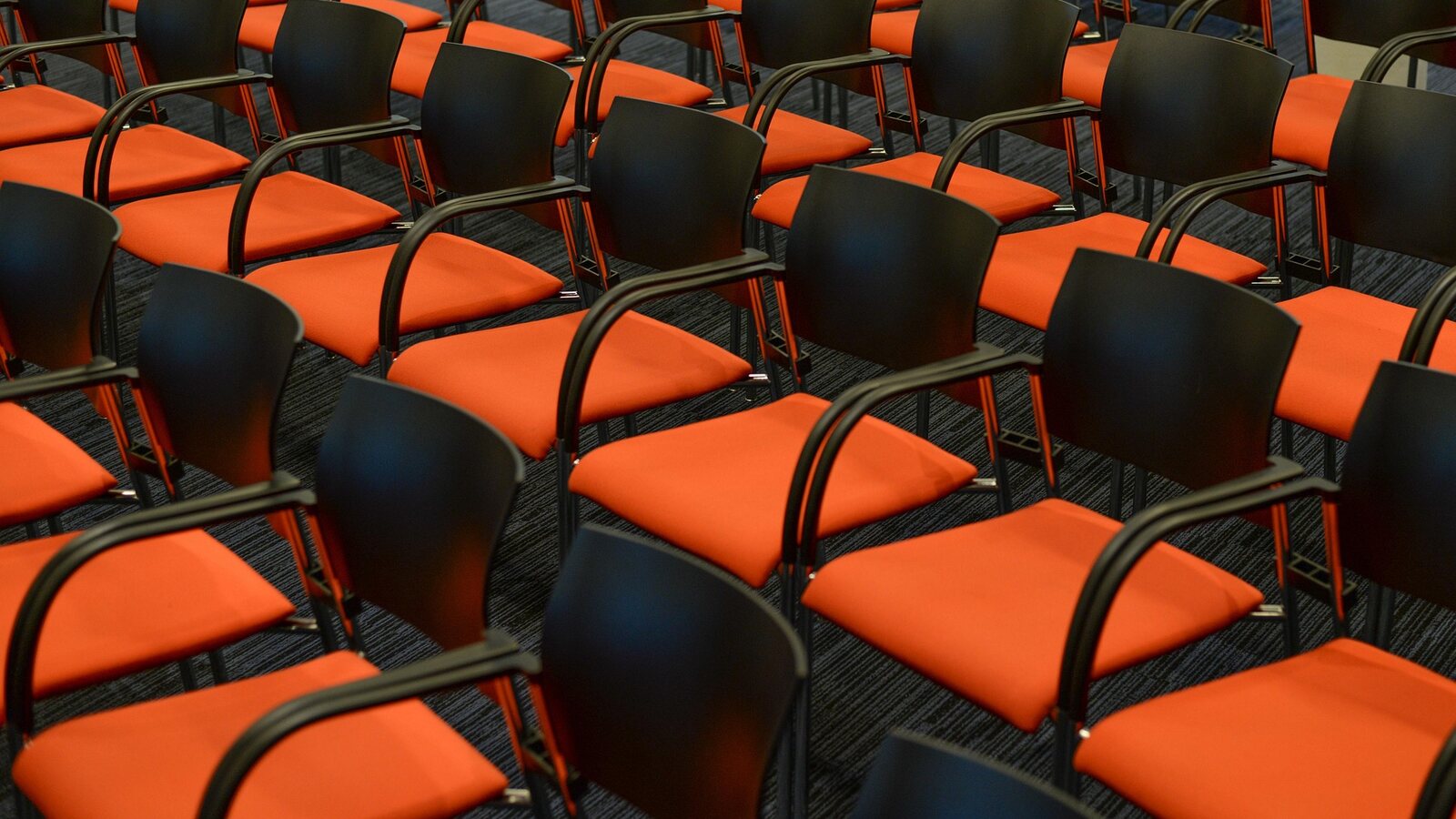
The empty chair is the most visible failure in field marketing, because everyone at the table can see it. The fix starts weeks earlier, with who gets to register and how you ask them to commit. The reminder email is the last line of defense, and it works best when the list behind it is already honest.
Sources
- Skift Meetings, The $100 Experiment That Slashed No-Show Rates, 2026: https://meetings.skift.com/2026/09/02/the-100-experiment-that-slashed-no-show-rates-to-just-10/
- PheedLoop, Event Data Lab Report #06, 2026: https://web.pheedloop.com/blog/event-data-lab-report-06
- Clutch Events, The State of Executive B2B Event Attendance, 2026: https://report.clutchevents.co/
- Bizzabo, Event Marketing Statistics, Trends and Benchmarks for 2026, 2026: https://www.bizzabo.com/blog/event-marketing-statistics
- Amex GBT 2026 Global Meetings and Events Forecast, via Business Travel News, 2025: https://www.businesstravelnews.com/Meetings/Amex-GBT-Meetings-Forecast-Shows-Rising-Optimism-Costs
- Marketing Week, Two-thirds of B2B events budgets stay flat or decrease in 2025, 2025: https://www.marketingweek.com/b2b-events-budgets-flat-decrease/
Newsletter
The High Signal
A weekly read on AI, events and go-to-market, from Jeremy Vargas and The Guest List. Free, every week.
Unsubscribe from any issue. Privacy policy.